In the busy world of logistics and warehousing, it’s often the tiniest details—like Pallet Wheels—that can make a big difference. John Smith, a seasoned industry pro with over 20 years in material handling, points out that, “Picking the right pallet wheels can really boost how easily things move and how productive your team can be.” His take really highlights just how crucial high-quality pallet wheels are for keeping workflows smooth and reducing strain on workers.
As companies aim to streamline operations and handle goods more efficiently, the demand for reliable pallet wheels has definitely been on the rise. These components aren’t just about making things easier to move—they also support safety and overall efficiency at work. So, in this article, we’re diving into the top 10 pallet wheels currently out there, looking at what makes each one stand out. Our goal is to find options that improve the way things get done, are easy to use, and help create a more productive environment.
By choosing the right pallet wheels, businesses can handle heavier loads more easily and keep things moving smoothly—saving time and money in the process. Let’s check out some of the best picks that strike a great balance between durability, functionality, and mobility.
Types of Pallet Wheels and Their Unique Features
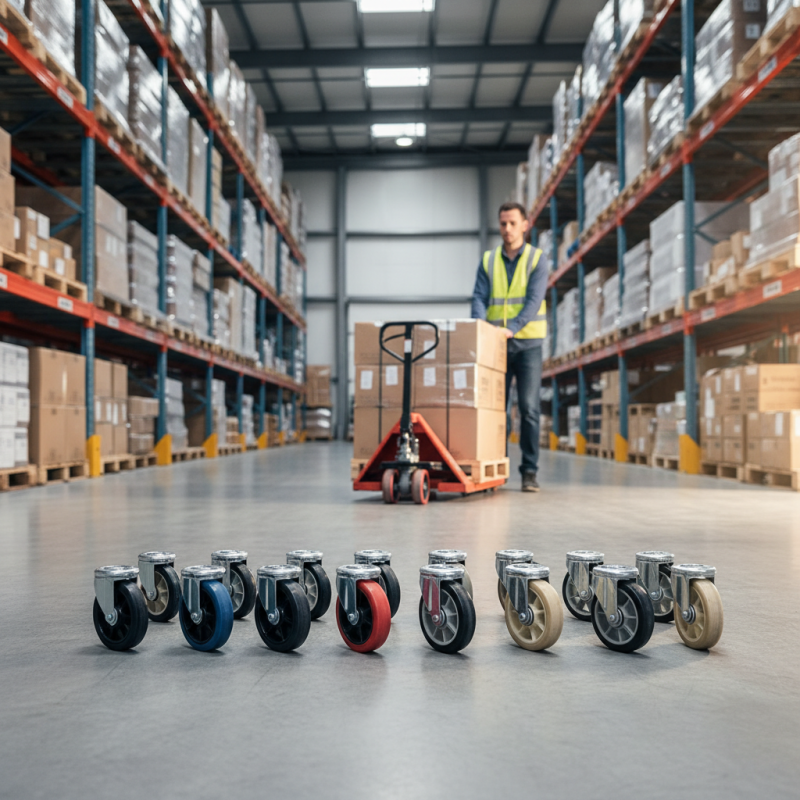
Pallet wheels come in various types, each designed for specific applications and environments, enhancing mobility and operational efficiency in warehouses, factories, and retail spaces. The two primary types are rigid and swivel wheels. Rigid wheels, fixed in one direction, are ideal for straight paths and offer stability under heavy loads. They are commonly used in setups where minimal maneuverability is required but maximum load-bearing capacity is essential. Conversely, swivel wheels provide improved maneuverability, allowing for easy navigation in tight spaces. Their ability to pivot facilitates quick changes in direction, making them suitable for dynamic environments where flexibility is key.
Another crucial distinction is the material of the wheels. Rubber wheels are popular for their shock-absorbing properties, making them a great choice for uneven surfaces. They also protect floors from damage while providing a smoother ride. Polyurethane wheels, on the other hand, are known for their durability and resistance to wear, making them perfect for heavy-duty applications. Additionally, some wheels feature ball bearings that reduce friction, further enhancing mobility and performance. The choice of the right type of pallet wheel not only affects ease of movement but also significantly impacts the overall efficiency of operations, making it essential to select wheels that meet specific needs.
Factors to Consider When Choosing Pallet Wheels
When selecting pallet wheels, several factors play a critical role in ensuring optimal performance and efficiency. First, consider the wheel material; options such as polyurethane or rubber offer different benefits, such as durability and load capacity. For example, a study by the Material Handling Industry of America (MHIA) states that the right wheel material can enhance load handling by up to 25%. Additionally, the surface type impacts mobility—wheels designed for smooth surfaces outperform those meant for rough terrain.
Another essential factor is wheel size. Larger wheels generally provide smoother movement over obstacles and uneven surfaces, contributing to lower energy consumption and improved operator ergonomics. Research indicates that using appropriately sized wheels can reduce worker fatigue by approximately 15%, significantly enhancing productivity.
**Tips:** When choosing pallet wheels, assess the average load weight and the flooring conditions of your operation. A thorough understanding of your work environment will directly influence wheel performance. Also, consider that swivel versus rigid wheels can affect maneuverability; a combination of both types often yields the best results for versatile mobility needs. Remember that maintenance and inspection of wheels can prevent downtime and prolong their lifespan, ultimately saving costs in the long run.
Top 10 Pallet Wheel Brands for Enhanced Mobility
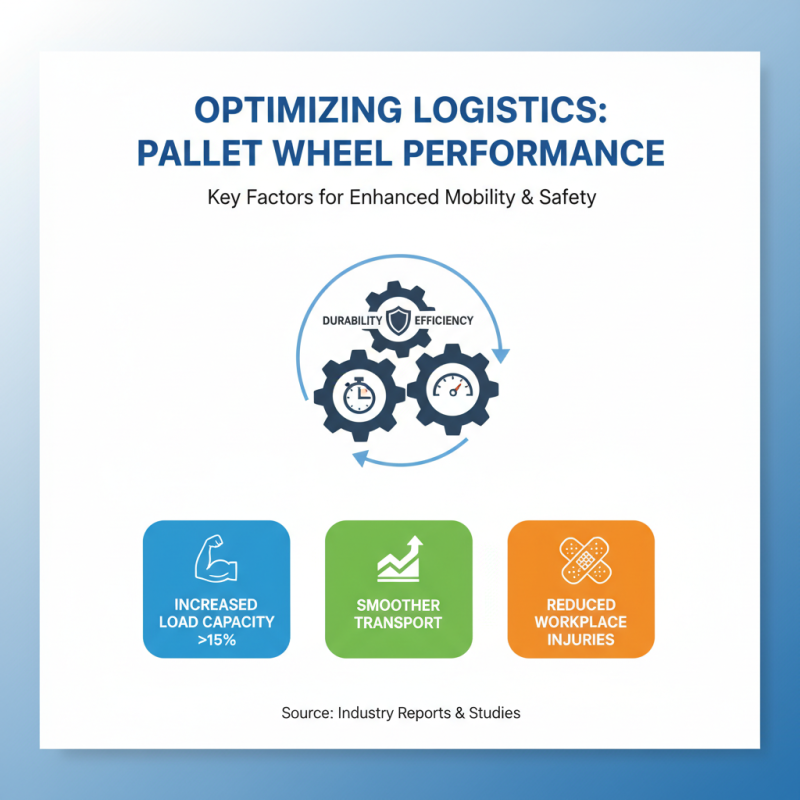
When choosing pallet wheels for improved mobility in various operational settings, it’s essential to consider which brands excel in durability, efficiency, and overall performance. Recent industry reports indicate that the quality of pallet wheels significantly impacts logistical operations, with studies showing that a well-designed wheel can enhance load capacity by more than 15%. This not only ensures smoother transport but also reduces the risk of workplace injuries related to heavy lifting and maneuvering.
When evaluating top-performing pallet wheel brands, look for those that offer features tailored for specific applications. For instance, wheels made from polyurethane can provide excellent floor protection and resilience against wear, making them suitable for both indoor and outdoor use. Moreover, high-quality wheels may feature precision bearings that minimize rolling resistance, which is vital for maintaining efficiency during prolonged use.
**Tips:** Regular maintenance of pallet wheels is crucial to prolonging their lifespan. Ensure that debris does not accumulate in the wheel’s rotation area, and periodically check for wear and tear. Additionally, consider the environment these wheels will operate in; selecting the right material can greatly improve performance and mobility. Investing in top-rated pallet wheels not only enhances operational capability but also contributes to safer working conditions and long-term cost savings.
Comparative Analysis of Wheel Materials for Durability
When it comes to choosing pallet wheels, the material of the wheels plays a critical role in determining durability and overall performance. Different materials, such as polyurethane, rubber, and nylon, each exhibit unique advantages and drawbacks based on the specific environment and load requirements. According to industry reports, polyurethane wheels are favored for their excellent wear resistance and ability to handle heavy loads. They provide a smooth glide on various surfaces and are often recommended for environments where noise reduction is a priority. In fact, studies indicate that polyurethane wheels can last up to three times longer than standard rubber wheels under similar conditions.
On the other hand, nylon wheels are known for their impact-resistant properties and are ideal for industrial settings where exposure to chemicals may be a factor. They are lighter and have a lower rolling resistance, which enhances efficiency. According to a comparative analysis by the Journal of Material Sciences, nylon wheels perform exceptionally well in terms of load capacity and are less likely to deform under stress compared to other materials. When choosing between these options, it’s essential to consider the specific application and environment to maximize durability.
Tip: Always assess the load and surface type when selecting pallet wheels; this will help in choosing the right material that balances longevity and performance. Consider the operating temperature and potential exposure to chemicals when deciding between nylon and polyurethane. Maintaining a clean wheel surface can also significantly enhance wheel lifespan and mobility efficiency.
Maintenance Tips for Prolonging the Life of Pallet Wheels
Pallet wheels are essential components for enhancing mobility in warehouses, factories, and various industrial settings. Proper maintenance of these wheels is crucial to ensure their longevity and efficiency. Regular inspections can highlight any wear or damage, allowing for timely repairs or replacements. It is advisable to check for any debris stuck in the wheels, which can hinder their movement and cause unnecessary strain.
To prolong the life of pallet wheels, lubrication is key. Applying the right lubricant to bearings and moving parts reduces friction, enabling smoother operation. Opt for suitable lubricants that can withstand the specific conditions of your work environment, whether it’s high moisture or extreme temperatures. Additionally, using protective covers when the wheels are not in use can safeguard them from dust and debris, further enhancing their durability.
Lastly, ensure that the wheels are not overloaded beyond their weight capacity. Regularly rotating the wheels and using them on appropriate surfaces can also prevent uneven wear. By incorporating these maintenance tips, you can significantly extend the lifespan of your pallet wheels, thus improving overall operational efficiency.
User Experiences: Case Studies on Pallet Wheel Efficiency
When it comes to enhancing warehouse operations, the choice of pallet wheels can significantly influence efficiency and user experience. In various case studies, businesses have reported improvements in mobility and overall workflow. For instance, one warehouse specializing in heavy goods switched from standard wheels to high-performance polyureka wheels. The result was a marked decrease in the physical strain on workers, who could now maneuver large pallets with ease, ultimately increasing productivity over time.
Another case study highlighted a logistics company that incorporated swivel wheels into their pallet systems. This adjustment allowed for tighter turns and improved maneuverability in cramped spaces, reducing the time spent transporting goods. Employees noted less downtime due to wheel failures and maintenance issues, as the upgraded wheels proved to be more durable and low-maintenance. These experiences underscore the importance of selecting the right pallet wheels, showcasing that thoughtful improvements can lead to enhanced operational efficiency and worker satisfaction.
Innovative Technologies in Pallet Wheel Design
Innovative technologies in pallet wheel design have transformed the way goods are moved in warehouses and production facilities. Modern pallet wheels are designed not only for durability but also for enhanced mobility. Innovations such as high-performance materials and optimized wheel shapes contribute significantly to reducing friction, allowing for smoother and easier transportation of heavy loads. These advancements ensure that businesses can operate more efficiently, lowering the effort required for lifting and moving materials while minimizing physical strain on workers.
When selecting pallet wheels, consider the environment in which they will be used. For example, wheels made from specialized rubber compounds offer improved traction on uneven surfaces, while thermoplastic elastomer wheels are ideal for noise-sensitive areas. Additionally, incorporating ball bearings can greatly enhance wheel rotation, which is pivotal when maneuvering through tight spaces.
Tips for maintaining pallet wheels include regularly checking for wear and tear, keeping the wheel surfaces clean, and ensuring that bearings are lubricated to maintain smooth operation. Investing time in maintenance not only prolongs the lifespan of pallet wheels but also ensures that operations run seamlessly, contributing to overall process efficiencies in material handling.
Innovative Trends in Heavy-Duty Dump Trucks: Analyzing the Market Potential for Shacman F3000 vs. Sinotruk HOWO Models (2023 Insights)
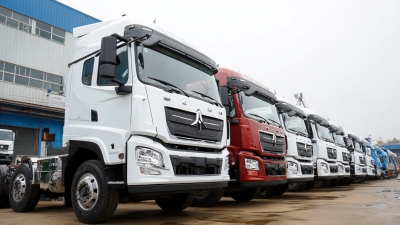
The heavy-duty truck market continues to evolve with innovative trends shaping the industry. In particular, the 2023 insights reveal increasing competition between leading models, notably in the dump truck segment, where performance and efficiency are paramount. The Shacman F3000 8*4 dump truck has emerged as a formidable contender, boasting a robust WP12.430E201 engine that provides high torque output essential for heavy-load hauling. This capability is vital for industries facing the demands of increased construction and infrastructure projects, where vehicles are often required to operate under extreme conditions.
Market analysis indicates that the F3000’s MAN axles contribute to its durability and longevity, crucial for maintaining operational efficiency over time. The truck's dimensions, ranging from 10,730mm to 11,900mm in overall length and 2,490mm to 2,550mm in width, allow for a large cargo box available in various sizes, catering to diverse operational needs. With a rated mass of 15,930kg and a kerb mass between 13,500kg and 18,000kg, it aligns well with industry standards for heavy-duty applications. The emphasis on fuel efficiency not only reduces costs but also addresses environmental concerns, positioning it favorably amidst increasing regulatory scrutiny.
As the market continues to adapt, observing the performance of models like the Shacman F3000 against other prominent offerings will shed light on potential shifts in consumer preferences. Notably, efficiency metrics and operational capabilities remain critical as companies aim to optimize their fleets for both performance and sustainability. Thus, ongoing analysis of these vehicles will be essential for stakeholders looking to harness the latest innovations in heavy-duty dump trucks.
FAQS
: When selecting pallet wheels, consider durability, efficiency, material type, and the operational environment. High-quality wheels can improve load capacity and reduce workplace injuries.
Polyurethane wheels provide excellent floor protection, resilience against wear, and can be used in both indoor and outdoor settings, enhancing overall mobility.
Regular maintenance, such as checking for debris and wear, prolongs the lifespan of pallet wheels and ensures smooth operation, which contributes to increased efficiency in logistical operations.
High-performance pallet wheels reduce physical strain on workers, enhance maneuverability, and require less maintenance, ultimately boosting productivity and workflow efficiency.
Innovations in pallet wheel technologies improve durability and mobility by reducing friction, allowing for easier transportation of heavy loads, and minimizing physical strain on workers.
Choosing the appropriate material enhances performance based on the operating environment, such as improved traction on uneven surfaces or noise reduction in sensitive areas.
Incorporating swivel wheels into pallet systems allows for tighter turns and improved maneuverability, enhancing efficiency in areas with limited space.
Ball bearings enhance wheel rotation, which is crucial for maneuvering through tight spaces and maintaining efficient operation during material handling.
Case studies show that switching to high-performance wheels can lead to decreased physical strain on workers, reduced downtime from wheel failures, and overall improvements in operational efficiency.
Recommended practices include regularly checking for wear and tear, keeping surfaces clean, and lubricating bearings to ensure smooth operation and prolong durability.
Conclusion
Pallet wheels play a crucial role in enhancing mobility and operational efficiency in various industries. Understanding the different types of pallet wheels and their unique features is essential for selecting the right option. Factors such as load capacity, wheel material, and intended surface conditions should be carefully considered to ensure optimum performance. A comparative analysis of wheel materials highlights their durability and suitability for specific applications, while regular maintenance tips can significantly prolong the lifespan of these vital components.
Additionally, real-world user experiences showcase the impact of efficient pallet wheel design on productivity. Innovative technologies are continuously shaping the future of pallet wheel design, leading to more effective and user-friendly solutions. By staying informed about the latest advancements, businesses can make better decisions when it comes to investing in pallet wheels, ultimately improving their operational efficiency.